
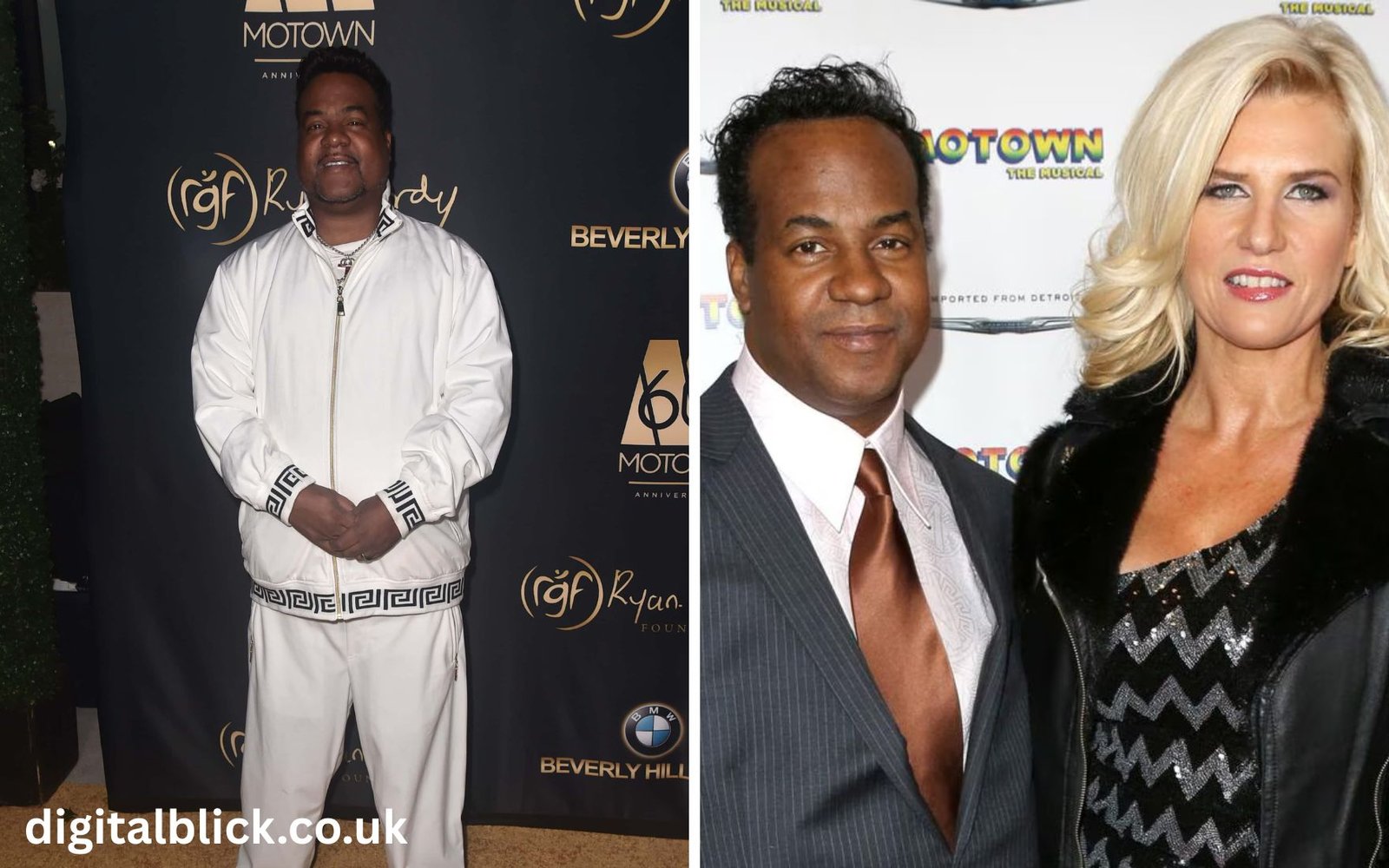
Early Life of Marvin Gaye III and His Family Background
Marvin Gaye III was born into one of the most famous families in American music history. He became widely recognized as the adopted son of legendary soul singer Marvin Gaye and Anna Gordy Gaye. From an early age, he experienced life surrounded by music, entertainment, and public attention. Because his father was already becoming a major star in the Motown era, Marvin Gaye III grew up in an environment filled with creativity, recording studios, celebrity culture, and constant media focus.
His family background played a huge role in shaping his public identity. Anna Gordy was connected to the powerful Motown family through her brother Berry Gordy, the founder of Motown Records. This connection made the Gaye household one of the most influential families in the music industry during the 1960s and 1970s. As Marvin Gaye’s popularity grew through albums like What’s Going On and Let’s Get It On, public curiosity about his family life also increased. Marvin Gaye III naturally became part of that public conversation because fans were always interested in the singer’s personal world.
Although he carried the name of a legendary artist, Marvin Gaye III’s childhood was not always easy. Fame often brings pressure, and growing up under the shadow of a global music icon can create emotional challenges. The attention surrounding his father’s success, personal struggles, and later tragic death deeply affected the entire family. Even decades later, people still search for information about Marvin Gaye III because they want to understand the lives connected to one of the greatest soul musicians of all time.
Growing Up Around the Motown Legacy
The Motown era was one of the most influential periods in music history, and Marvin Gaye III witnessed that legacy from close range. During his younger years, Motown artists dominated radio stations across America, creating timeless music that still influences modern R&B and soul artists today. Living within this cultural environment gave Marvin Gaye III a unique experience that few people could understand. He was surrounded by musicians, producers, songwriters, and entertainment executives throughout his early life.
As the son of Marvin Gaye, expectations naturally followed him everywhere. Fans often compared him to his father because of the shared name and family connection. Many people expected him to continue the musical tradition of the Gaye family. Carrying such a respected surname created pressure to maintain a strong public image while also trying to build his own personal identity. This balance between individuality and family legacy remained an important theme throughout his adult life.
The influence of Marvin Gaye’s music continued to grow after his death in 1984. Songs like “Sexual Healing,” “Mercy Mercy Me,” and “What’s Going On” became permanent parts of music history. As younger generations discovered these songs through streaming platforms and documentaries, interest in the Gaye family also increased. Marvin Gaye III remained connected to this cultural legacy because fans viewed him as one of the closest living links to the famous singer’s personal story and family heritage.
Marvin Gaye III’s Career in Music and Entertainment
Although most people recognize Marvin Gaye III because of his father, he also worked to establish his own career in entertainment. Over the years, he explored opportunities in music production, recording, and public appearances connected to the Gaye family legacy. Like many children of famous artists, he faced the challenge of trying to create his own path while constantly being compared to a legendary parent. This comparison followed him throughout much of his public life.
Marvin Gaye III later released music that attracted attention from fans curious about the next generation of the Gaye family. Listeners often noticed similarities between his voice and his father’s smooth singing style. His musical projects generated interest not only because of nostalgia but also because audiences wanted to see whether the musical talent associated with the Gaye family continued into another generation. Although he never reached the global fame of his father, he remained involved in entertainment and public events connected to soul music history.
Beyond music, Marvin Gaye III also participated in interviews, media discussions, and family-related business matters. His public role often focused on preserving the memory and artistic legacy of Marvin Gaye. He became involved in projects connected to his father’s image, music rights, and estate discussions. This role kept him connected to the entertainment industry even during periods when he was not actively releasing music himself.
Health Problems and His Fight for Recovery
One of the most serious chapters in Marvin Gaye III’s life involved his health struggles. Reports revealed that he suffered from severe diabetes complications that eventually led to kidney failure. This difficult period became public knowledge and generated concern among fans of the Gaye family. His condition highlighted the dangers of chronic illness and the importance of long-term medical care, especially within communities where diabetes rates remain high.
After years of health complications, Marvin Gaye III eventually underwent a kidney transplant. The surgery represented a major turning point in his personal life because it gave him another chance at recovery and stability. Public discussions about his health journey inspired many people who were facing similar medical challenges. His story became an example of perseverance during an extremely difficult physical and emotional period.
Following his recovery, Marvin Gaye III became more vocal about diabetes awareness and organ donation. He used his public platform to encourage people to pay attention to their health and seek medical support early. Many supporters appreciated his willingness to speak openly about serious health issues because celebrity families often avoid discussing such personal matters publicly. His honesty helped humanize his image beyond simply being known as the son of a music legend.
The Famous Blurred Lines Copyright Case
One of the biggest moments that placed Marvin Gaye III back into the national spotlight was the “Blurred Lines” copyright lawsuit. The legal dispute involved singer Robin Thicke and producer Pharrell Williams, whose hit song “Blurred Lines” was accused of copying elements from Marvin Gaye’s classic song “Got to Give It Up.” The case quickly became one of the most talked-about music copyright lawsuits in modern entertainment history.
Marvin Gaye III, along with other members of the Gaye family, strongly defended the claim that the song borrowed too heavily from Marvin Gaye’s original work. The family argued that important musical elements and overall style had been imitated without proper credit. After a highly publicized court battle, the jury ruled in favor of the Gaye family. The decision resulted in millions of dollars in damages and future royalty payments connected to the song.
The case changed conversations throughout the music industry. Artists, producers, and legal experts debated the difference between inspiration and copyright infringement. Some people believed the ruling protected classic artists from exploitation, while others worried it could limit creative freedom in music production. Regardless of opinion, the lawsuit strengthened Marvin Gaye III’s role as a visible defender of his father’s artistic legacy and intellectual property rights.
Public Attention and Media Interest Around Marvin Gaye III
Because of his connection to Marvin Gaye, media attention has followed Marvin Gaye III for much of his life. Entertainment news outlets frequently discuss members of the Gaye family whenever documentaries, tribute concerts, or biographical projects about Marvin Gaye appear in the public eye. Interest in the family continues because Marvin Gaye remains one of the most respected singers in the history of soul and R&B music.
The rise of social media and streaming platforms introduced Marvin Gaye’s music to younger audiences around the world. Viral videos, online playlists, and digital remasters of classic albums helped increase public interest once again. As fans searched for more information about Marvin Gaye’s personal life, they also became curious about his children and family members. This renewed attention naturally brought Marvin Gaye III back into entertainment discussions.
Public fascination often extends beyond music into family history, personal struggles, and legal matters. Celebrity families connected to iconic performers frequently attract media coverage because audiences feel emotionally attached to the original artist. In the case of Marvin Gaye III, that attention has included interviews, legal headlines, music discussions, and family-related controversies over the years.
Personal Challenges and Legal Controversies
Like many public figures connected to celebrity families, Marvin Gaye III has faced personal and legal challenges that attracted media attention. Various reports over the years discussed domestic disputes and legal accusations connected to his personal relationships. These situations became major news stories because of the continued public interest surrounding the Gaye family name.
In recent years, new legal allegations once again brought Marvin Gaye III into entertainment headlines. Reports connected to assault and misconduct accusations generated significant online discussion and media coverage. He denied the claims publicly, and legal proceedings continued receiving public attention because of the family’s famous background. Cases involving celebrity relatives often become heavily discussed online, especially when they involve high-profile family names connected to entertainment history.
These controversies affected public perception of Marvin Gaye III and created complicated conversations around fame, family legacy, and personal accountability. Some supporters defended him while others criticized the repeated legal issues connected to his public image. Regardless of opinion, these events demonstrated how difficult it can be for celebrity family members to maintain privacy while living under constant public observation.
The Lasting Influence of Marvin Gaye’s Legacy
The influence of Marvin Gaye on modern music remains enormous even decades after his death. Artists across multiple genres continue referencing his vocal style, songwriting, and emotional storytelling. His music shaped the direction of soul, R&B, funk, and socially conscious songwriting. Because of this lasting impact, interest in his family members, including Marvin Gaye III, continues to remain strong.
Many fans consider Marvin Gaye one of the greatest singers in music history because of his ability to combine romance, vulnerability, and political awareness in his songs. Albums like What’s Going On are frequently listed among the greatest albums ever recorded. This continued admiration keeps the Gaye family connected to ongoing cultural conversations surrounding classic music and Black artistic excellence.
Marvin Gaye III’s role within this legacy is closely tied to preserving and protecting his father’s reputation. Whether through legal cases, interviews, or public appearances, he remains part of the broader effort to keep Marvin Gaye’s influence alive for future generations. His life story cannot be separated from the global admiration that still surrounds the Gaye family name.
Why People Still Search for Marvin Gaye III Today
Interest in Marvin Gaye III continues because people remain fascinated by the lives of celebrity families connected to legendary musicians. Fans often want to understand what happened to the children of famous artists and how they handled the pressure of growing up around international fame. Marvin Gaye III represents a direct connection to one of the most beloved voices in soul music history.
Search interest surrounding Marvin Gaye III also increases whenever new documentaries, lawsuits, interviews, or entertainment projects related to Marvin Gaye appear online. Public curiosity grows whenever conversations about Motown history, classic R&B, or music copyright cases become popular again. This consistent attention keeps his name visible in entertainment media and online search trends.
His story combines fame, family history, health struggles, music industry connections, legal battles, and personal resilience. These different elements make Marvin Gaye III a continuing topic of discussion among music fans and entertainment audiences. As long as Marvin Gaye’s music remains culturally important, people will likely continue searching for information about his son and the broader Gaye family legacy